
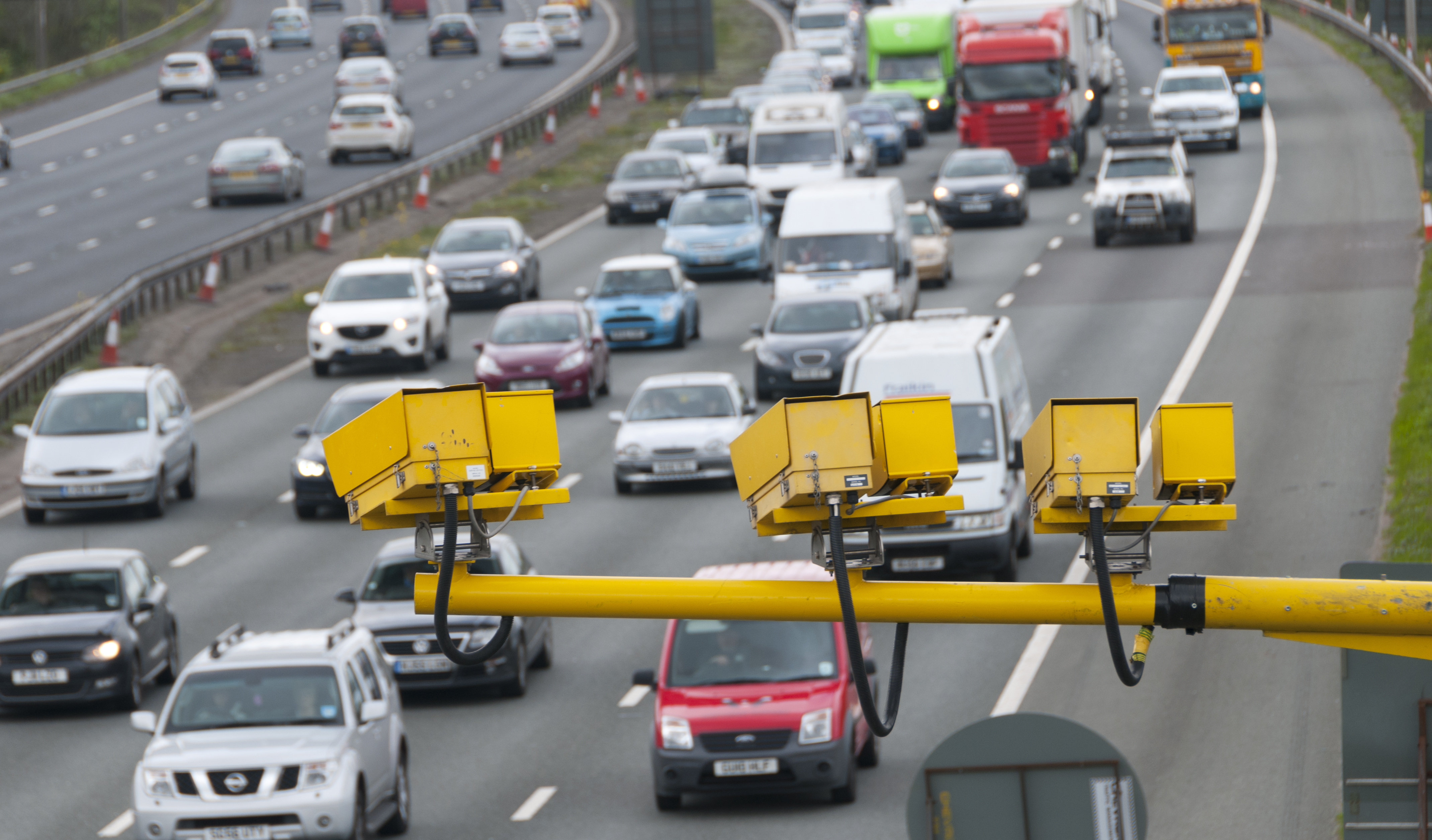
Highway Traffic Act Offences
Most cases prosecuted in the provincial offenses court stem from violations under the Highway Traffic Act (HTA), which regulates the conduct of drivers on Ontario roads. The HTA is designed to ensure the safety of all road users by imposing specific responsibilities and duties on both drivers and passengers. Offenses under the HTA can be prosecuted under any of the three parts of the Provincial Offenses Act (POA), depending on the severity and nature of the violation.
The POA provides the framework for handling HTA cases, whether you’re preparing for trial or engaging in pre-trial negotiations with the Crown. In instances where the charged offense includes a lesser offense, a defendant may be convicted of the lesser offense if proven, even if the full offense charged is not. This is especially significant in HTA cases, where a plea deal for a lesser charge with lighter penalties may be possible—such as reducing a stunt driving charge to a speeding offense.
In some HTA cases, vehicle owners can be held responsible for violations even if they weren’t driving, unless the vehicle was used without their consent. Exceptions to this rule include cases involving seatbelt infractions, speeding, careless driving, and failure to report an accident. When defending an HTA charge, it’s crucial to consider whether any rights under the Canadian Charter of Rights and Freedoms have been infringed, particularly concerning detention. For example, a traffic stop for a suspected Criminal Code or HTA violation qualifies as a detention, though there are justified limits on the right to counsel under section 1 of the Charter.
Why Traffic Tickets Matter
Many drivers believe a speeding ticket is just a fine. In reality, a conviction can have broader consequences.
A ticket conviction may:
- Add demerit points to your licence
- Increase insurance premiums
- Appear on your driver’s abstract
- Affect commercial driving or rideshare work (Uber, Lyft)
- Stay visible to insurance companies for several years
Because of these potential impacts, it is important to understand your legal options before deciding how to proceed.
Traffic Ticket Defence in Ontario
Every traffic ticket case has its own facts, evidence, and legal considerations. Reviewing the officer’s notes, the circumstances of the stop, and procedural details can sometimes reveal issues that may affect the outcome.
At Hosseini Cuthbert Legal Services, we assist drivers by:
✔ Reviewing traffic tickets and explaining available options
✔ Representing clients in Provincial Offences Court
✔ Negotiating resolutions where appropriate
✔ Helping clients navigate the legal process clearly and efficiently
If you received a traffic ticket in Ontario, consider reviewing your options before paying the fine.
Contact Us!
If you’re facing charges under the Highway Traffic Act, reach out to Hosseini Cuthbert Legal Services for a comprehensive consultation to explore the best strategies for defending your case and keeping your record clear.
 Hosseini Cuthbert Legal Services